

Render vs. Reality
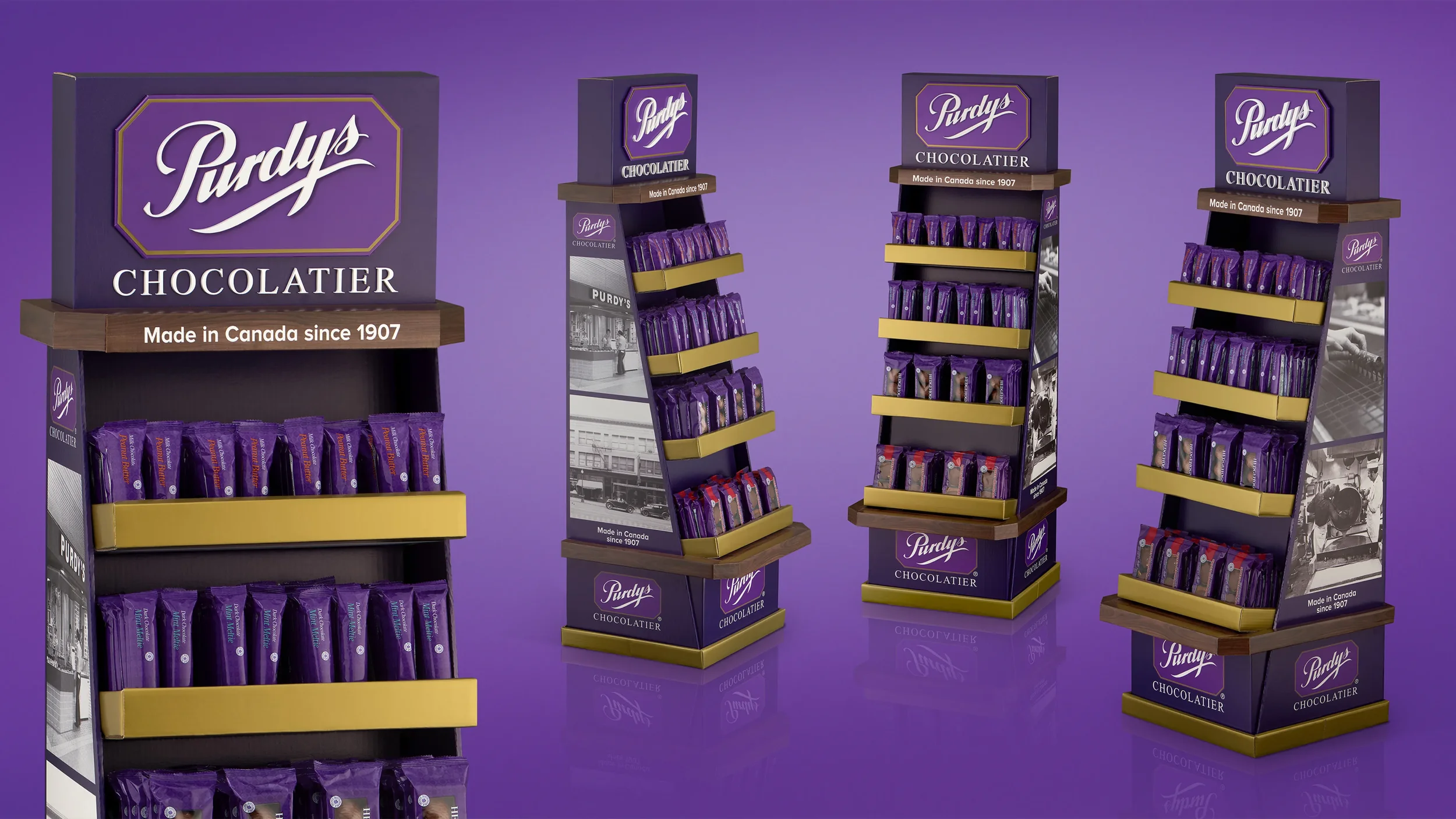
A great render can sell an idea. A great display has to sell the product. There’s something very satisfying about a beautifully rendered retail display. Perfect lighting. Perfect product placement. Perfect viewing angle. Nothing damaged, missing, incorrectly assembled or blocking the view.
It’s retail exactly as we imagined it. The problem is, retail rarely stays that way. The render is the beginning, not the end
Renders are incredibly useful. They help turn an idea into something tangible, allow teams to evaluate different approaches and give everyone a clear picture of what’s being proposed before anything gets made.
But for us, the thinking starts before the rendering does.
Our designers are already considering how an idea will be manufactured, which materials make sense and how to deliver it within the overall budget. Alongside them, our structural design team is thinking about everything from strength and stability to packing, shipping and assembly.
Because there’s little value in creating a beautiful idea that becomes impractical the moment it leaves the screen.
That thinking continues throughout the process. Can it be manufactured efficiently? Can it survive shipping? Is it intuitive to assemble? Does the product load actually work? Can store teams replenish it easily? Does the message still land from six feet away? Does it stand out when there are ten other brands competing for the same shopper?
And does it still look good after a few hundred people have interacted with it? That’s the difference between designing an object and designing for retail. Reality is a much tougher environment
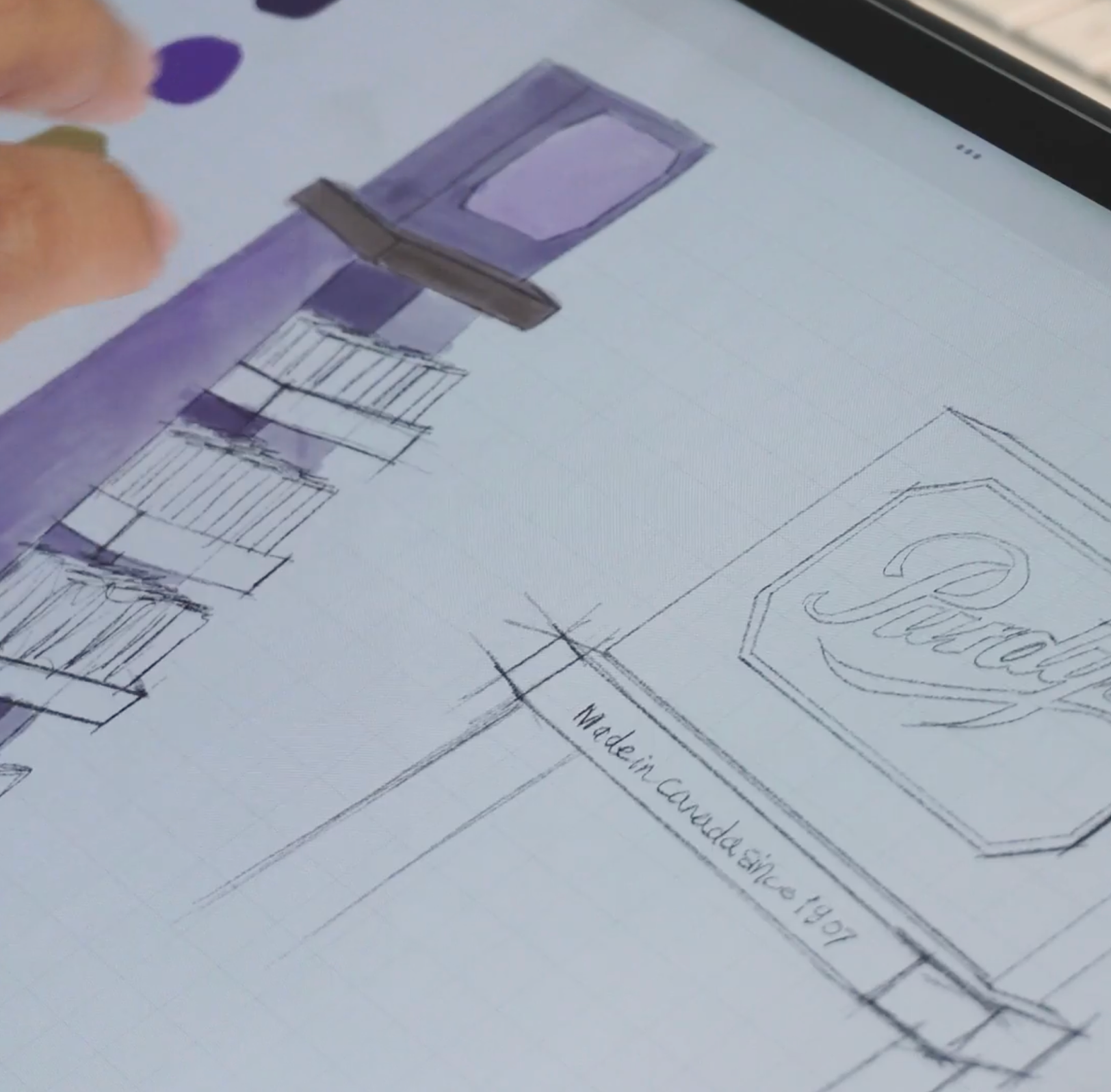
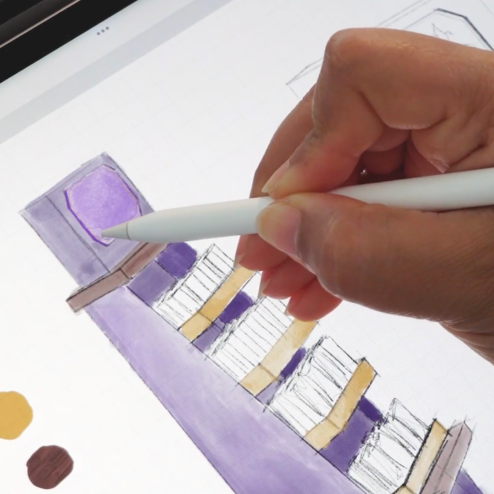
Retail isn’t a blank canvas
Space is tight. Sightlines are unpredictable. Products move. Shoppers approach from different directions. Displays get bumped, moved and occasionally assembled in ways nobody anticipated.
Then there’s the biggest variable of all: attention.
A shopper isn’t studying your display like somebody reviewing a presentation. They’re navigating a busy environment, making decisions quickly and filtering out an enormous amount of visual information.
What looked beautifully considered on a 27-inch monitor can disappear completely in-store. Which is why the questions we ask during the design process go beyond “Does it look good?”
We want to know: Will it get noticed? Will it communicate quickly? Will shoppers understand what to do? Will it make the product easier to choose? And ultimately: will it sell?
Design for the messy bit
The best retail displays anticipate reality rather than fight it. That means creative, structural design, engineering, production and retail thinking working together from the beginning — not discovering problems once an idea has already been approved.
Sometimes reality means simplifying an idea. Sometimes it means changing materials, strengthening a structure or adjusting the product load. Sometimes the physical prototype reveals an opportunity the render never could.
And sometimes the finished display looks slightly different from that immaculate first visual — because it works better. That isn’t compromising the creative idea. It’s finishing it.
From pixels to purchase
We love a beautiful render as much as anyone. But we’re much more interested in what happens next.
For us, the job isn’t complete when everyone approves the image. It’s complete when the idea has made the journey from concept to production, into the store and in front of the shopper — with the original thinking still intact.
Because retail doesn’t happen in a render.
It happens here.