

What is Visual Merchandising?
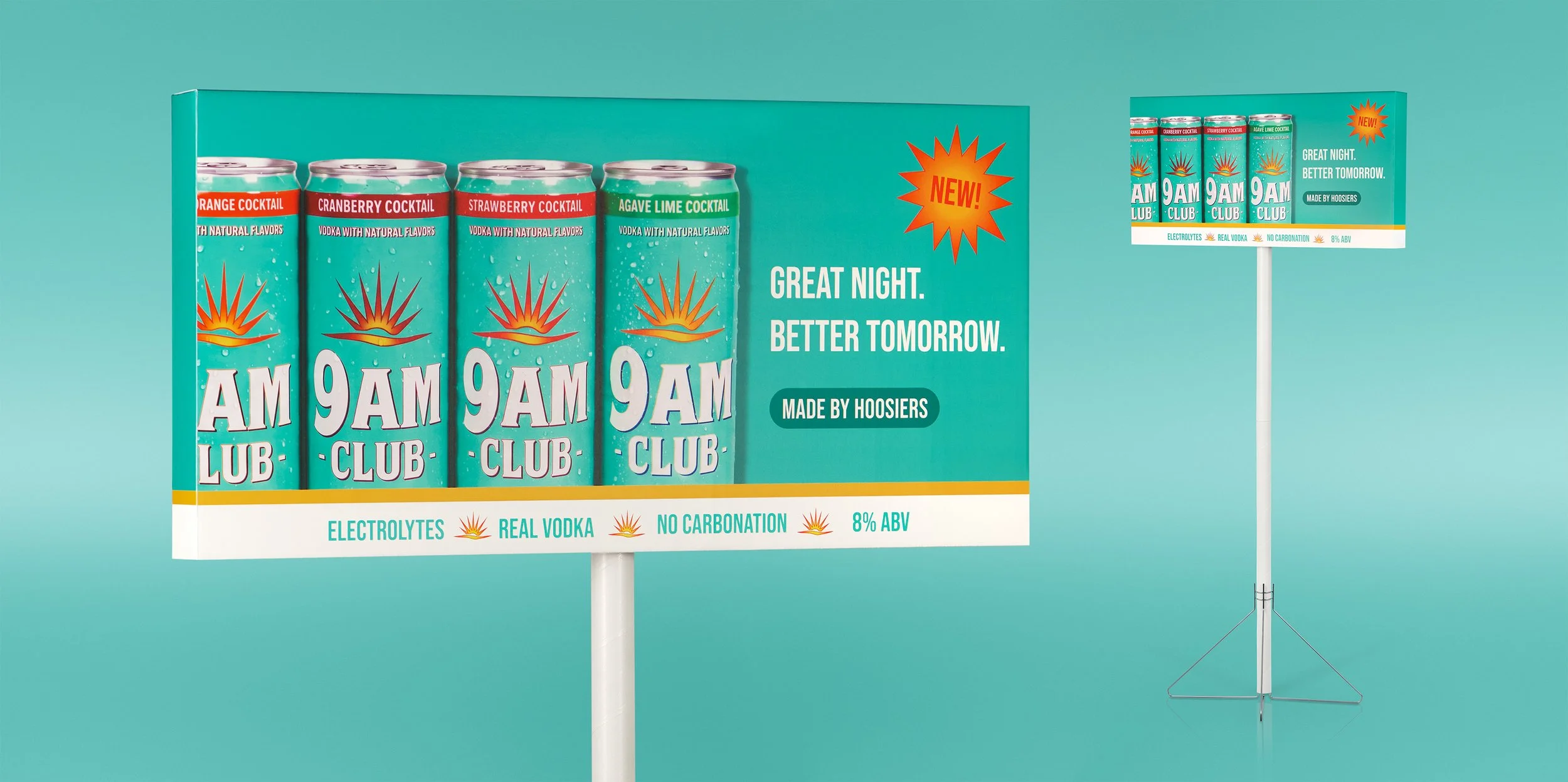
A shopper stops in front of two products she's never bought before. One is stacked plainly on the shelf. The other sits inside a small display that shows her what it's for, who it's for, and why it's worth picking up. She picks up the second one first. That's visual merchandising doing its job.
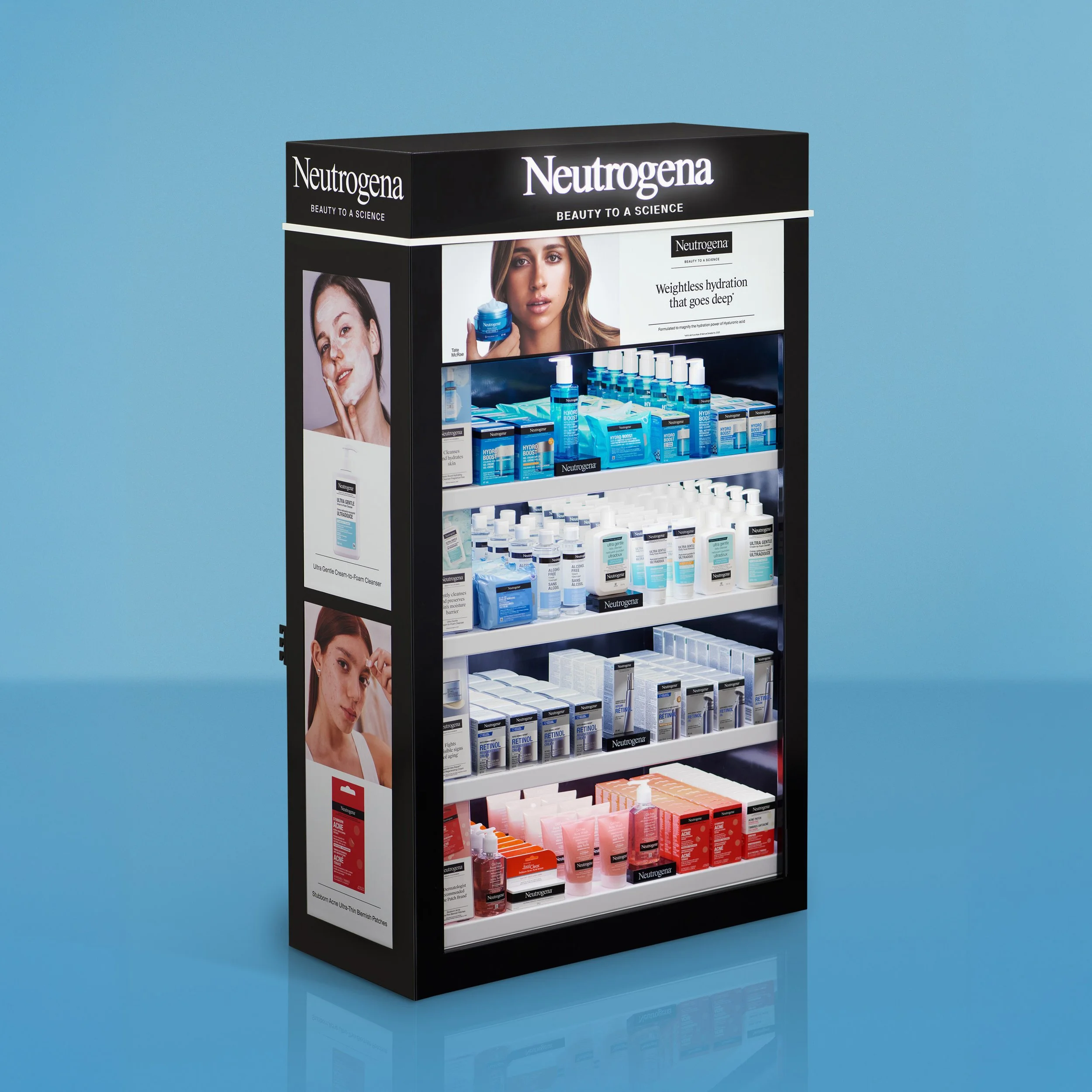

Ask most people what visual merchandising is and they'll describe decoration. Better lighting. A tidier shelf. A nicer sign. That definition explains why so many retailers budget for it last and evaluate it least. It's treated as the finishing touch, not the argument.
What it actually is
Visual merchandising is the case a product makes for itself in the three or four seconds a shopper gives it. Not the packaging alone. Not the price alone. It's the combination of placement, presentation and story that answers a question the shopper never says out loud. Why this one?
Retail isn't a blank canvas. Space is tight. Sightline's are unpredictable. A shopper is filtering out most of what's in front of her. Good visual merchandising works inside that mess. It doesn't ask for more attention. It asks for the right two seconds of it.
The three jobs it has to do
First, it has to get noticed against everything else competing for the same eight seconds. Second, it has to communicate fast enough that a busy shopper gets the point without reading anything. Third, it has to make the product easier to choose than the one next to it.
Most displays only do the first job. Bright colours. Bold type. Something that catches the eye from six feet away. It gets attention and stops there. Nobody follows up with a reason to buy.
Why it gets treated as an afterthought
Because it's hard to measure and easy to cut. A logo revision has a budget line and a deadline. Visual merchandising usually gets whatever's left after packaging, media and trade spend are locked. That ordering makes sense on a spreadsheet. It makes no sense at the shelf, where packaging and media only get a shopper as far as the aisle.
We treat it as a design problem with a manufacturing deadline, not a decoration problem with a budget line. That means asking whether a display gets built correctly. Whether it survives the trip from the warehouse. Whether it actually says something once it's there. A beautiful display that arrives broken or blank doesn't do any of the three jobs.
The best visual merchandising doesn't announce itself. It just makes the right product easier to pick up than the one beside it.
It Happens Here.