

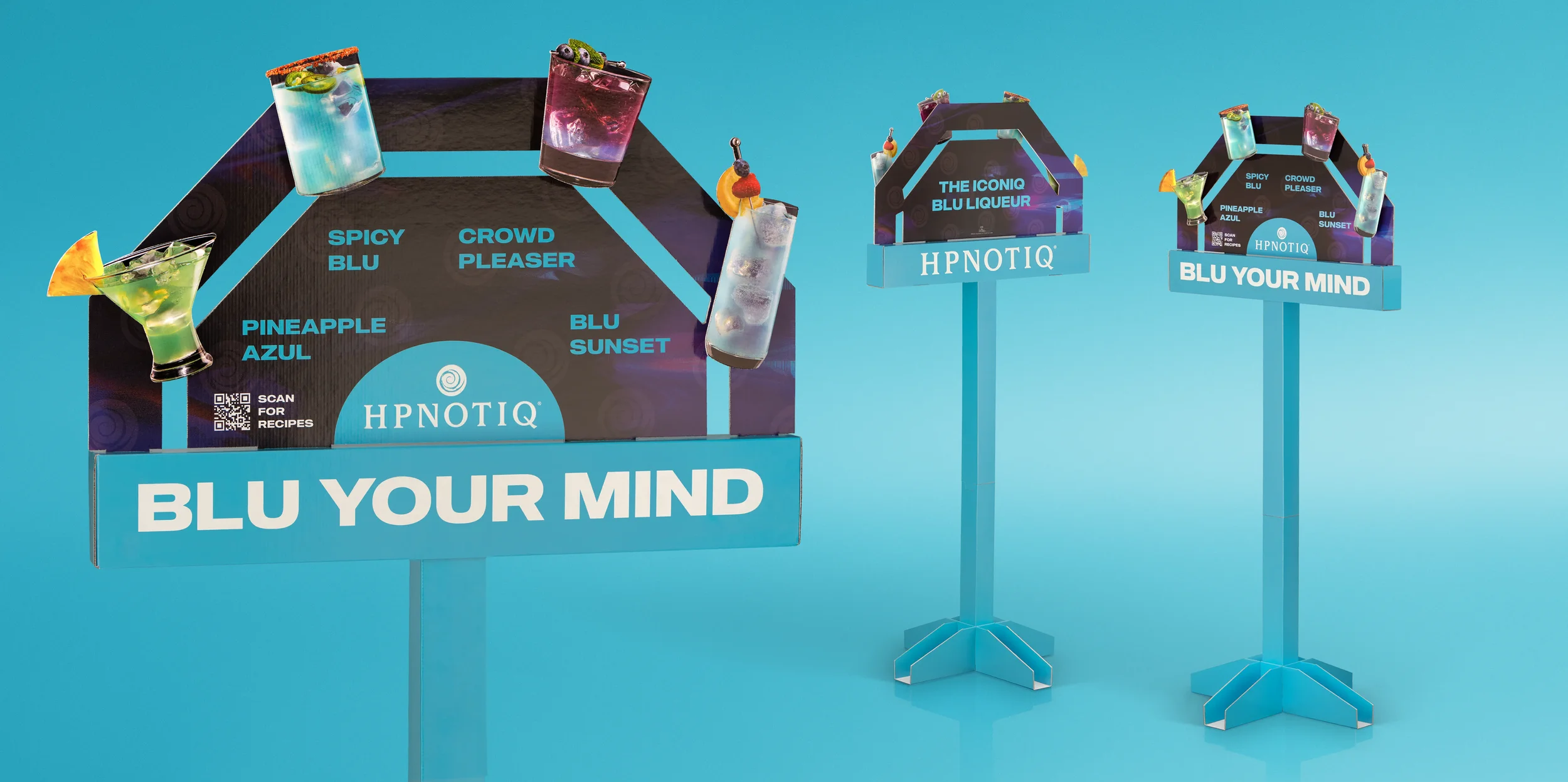
A QR code on a display isn't a feature. It's the difference between a display that works and one you can prove worked. A shopper scans. For the first time, a brand learns which store, which unit and which moment turned into interest.
Most brands still treat the code as decoration. A small square added near the logo because someone asked for one. That's backwards. The code is the only part of the display that talks back.
The code isn’t the point
A display either sells or it doesn't, and the reasons usually stay invisible. A scan makes part of that visible. Which location, which unit, which week, which message.
We don't think the technology is the benefit. We think it's simpler than that. A physical object, sitting in a store you can't watch every hour, finally reports in.
What a scan actually buys you
Three things, roughly in order of value. Measurement, because a scan attributes interest to a specific store and display. Depth, because the code carries information the unit has no room for. Flexibility, because the destination can change after the display has already shipped.
That last one matters more than it sounds. A printed display is fixed the day it leaves production. A code behind it isn't. The message can change with the season, the promotion or whatever's actually in stock.

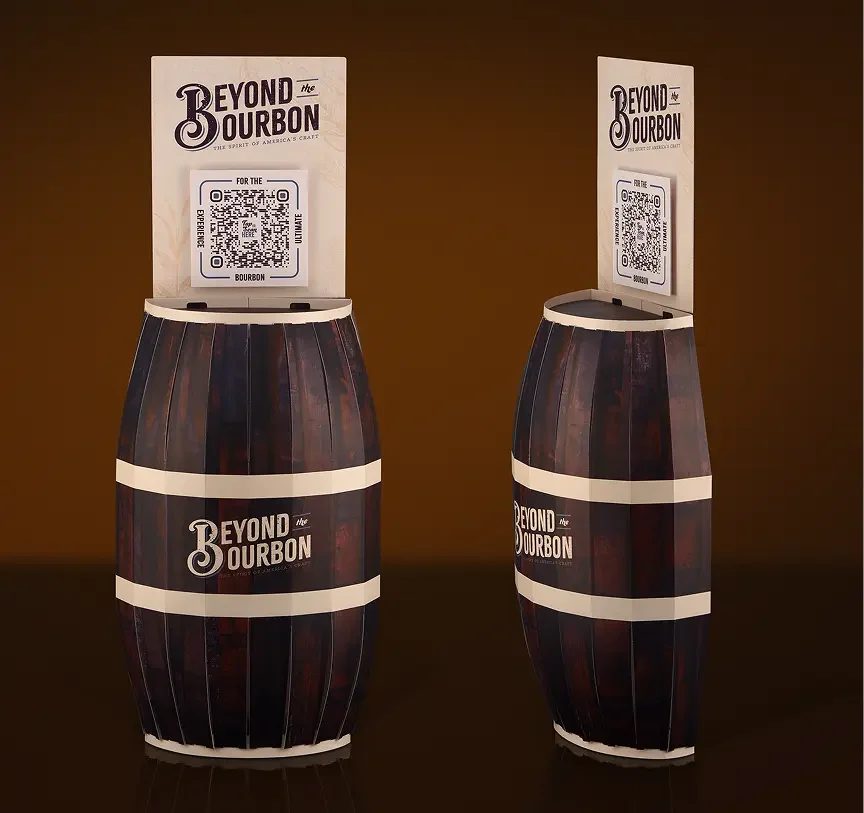
Where people actually stop
Codes work where a shopper has already paused. Floor units, endcaps and counter pieces give someone a reason to stop. A stopped shopper will scan. A code on something people walk past gets ignored, no matter how large it is.
Functional and better-for-you categories get the most out of this. Those products carry claims and ingredient stories that need more room than a label allows.
Why most codes fail
Almost never because of the technology. Scanning is built into every phone camera now, so that friction is gone.
We like what a code can carry as much as anyone. A recipe, a provenance story, a certification that needs real room to explain. But information nobody reaches is wasted shelf space, and that's usually a placement problem, not a content one.
A code below knee height won't get scanned. A code in a dark corner won't either. And "scan for more" gives a shopper nothing to act on. "Scan for the recipe" does.
What to actually measure
Scans are the input, not the output. Track volume by store and by display. Then look at what happened on the other end: dwell on the destination, any action taken there.
If you hold sell-through data by store, compare the high-scan stores against the low-scan ones. That comparison is the part most brands skip. It's the part that actually proves anything.
Main St. SmartScan exists to make that comparison without a spreadsheet, connecting scans, stores and sell-through so the pattern shows up on its own.
A code without a reason to scan measures nothing. A code with one measures a display that used to be invisible.
It Happens Here.